
Our team
Founder
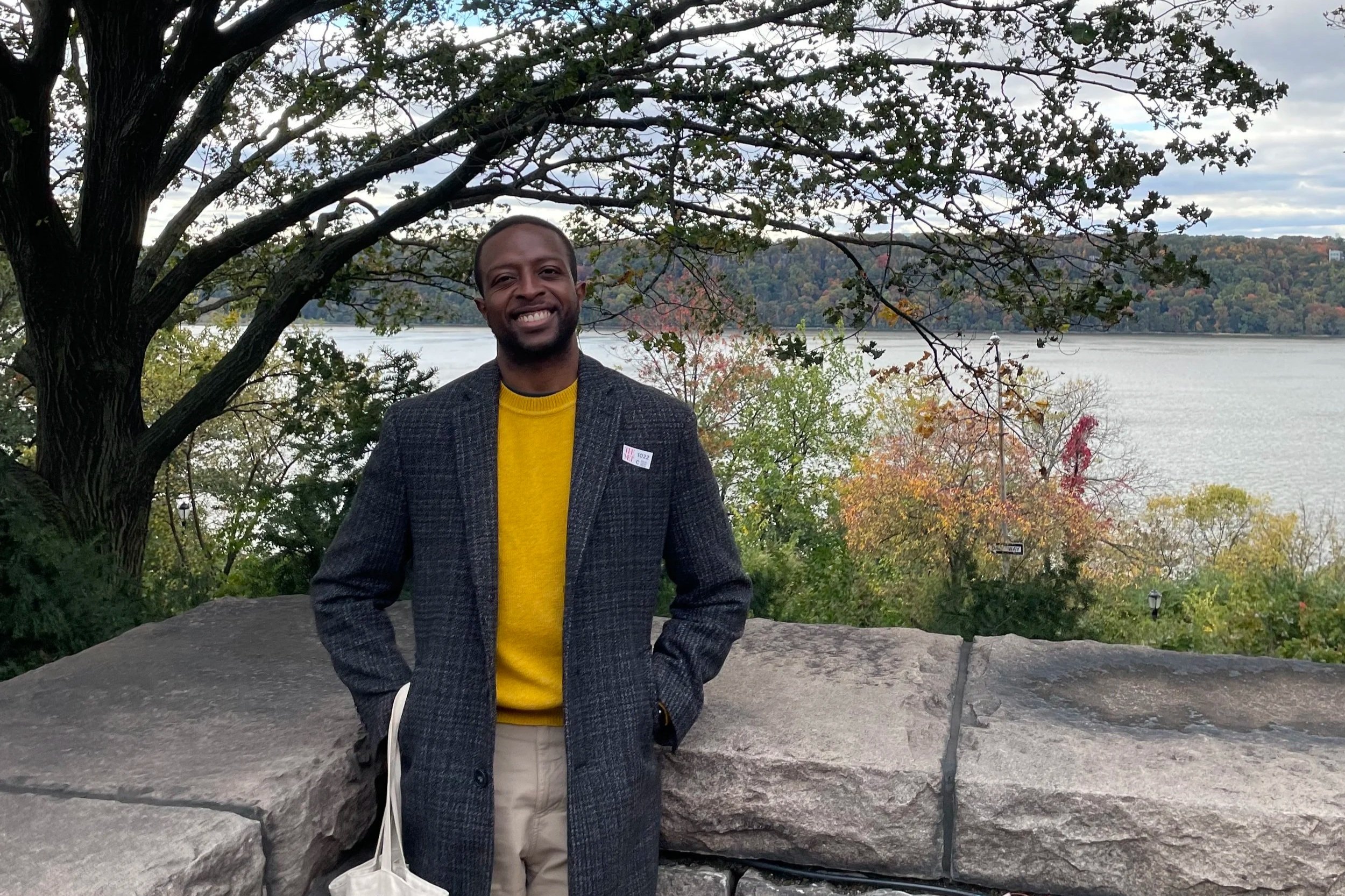
Taonga Leslie is the Founder and President of Douglass Collective. He has previously served as Director of Policy and Program for Racial Justice at the American Constitution Society, a Senior Consultant at Public Equity Group and an Associate at Gibson Dunn & Crutcher. Taonga holds a JD from Yale Law School and a BA in Sociology from Harvard University.
Board of Directors
John Newsome
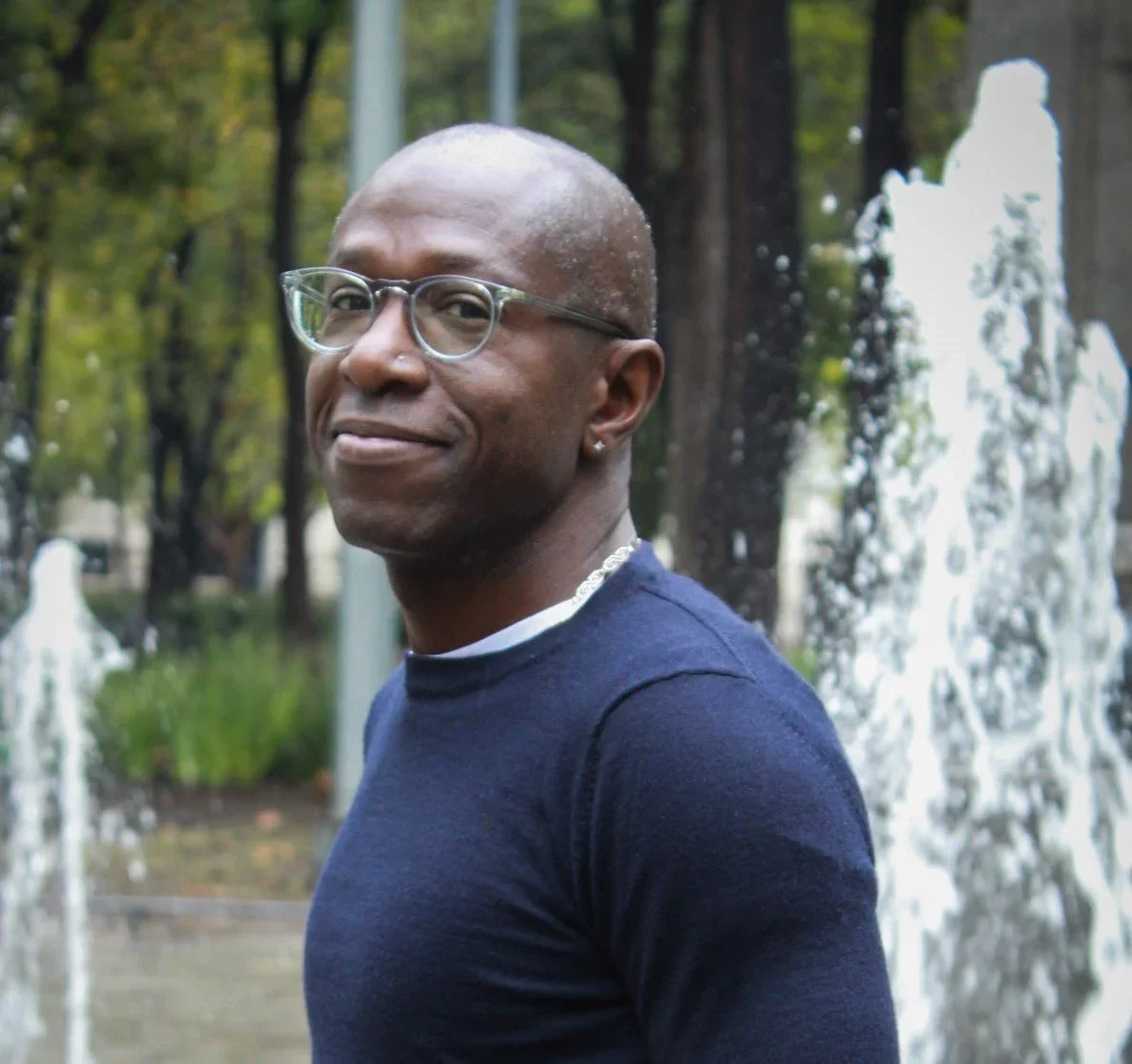
John Newsome is the founder of Public Equity Group, a leading social impact advising leading foundations and nonprofits across the country on strategies to advance racial and economic justice. John has also founded and incubated a number of successful nonprofits, including Fight for a Better America, a federal super PAC that funded successful, grassroots, voter engagement campaigns.
Michaela Leslie-Rule
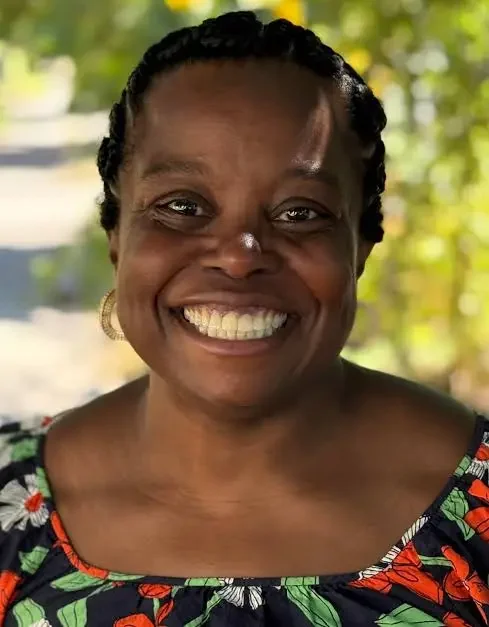
Michaela Leslie-Rule is a Senior Program Officer at the Gates Foundation, where her work focuses on the impact of cultural narratives on how students experience and learn math in K-12. For over two decades, she has supported communities, non-profit leaders, and philanthropic institutions to advance racial and gender justice by leveraging the power of narrative.
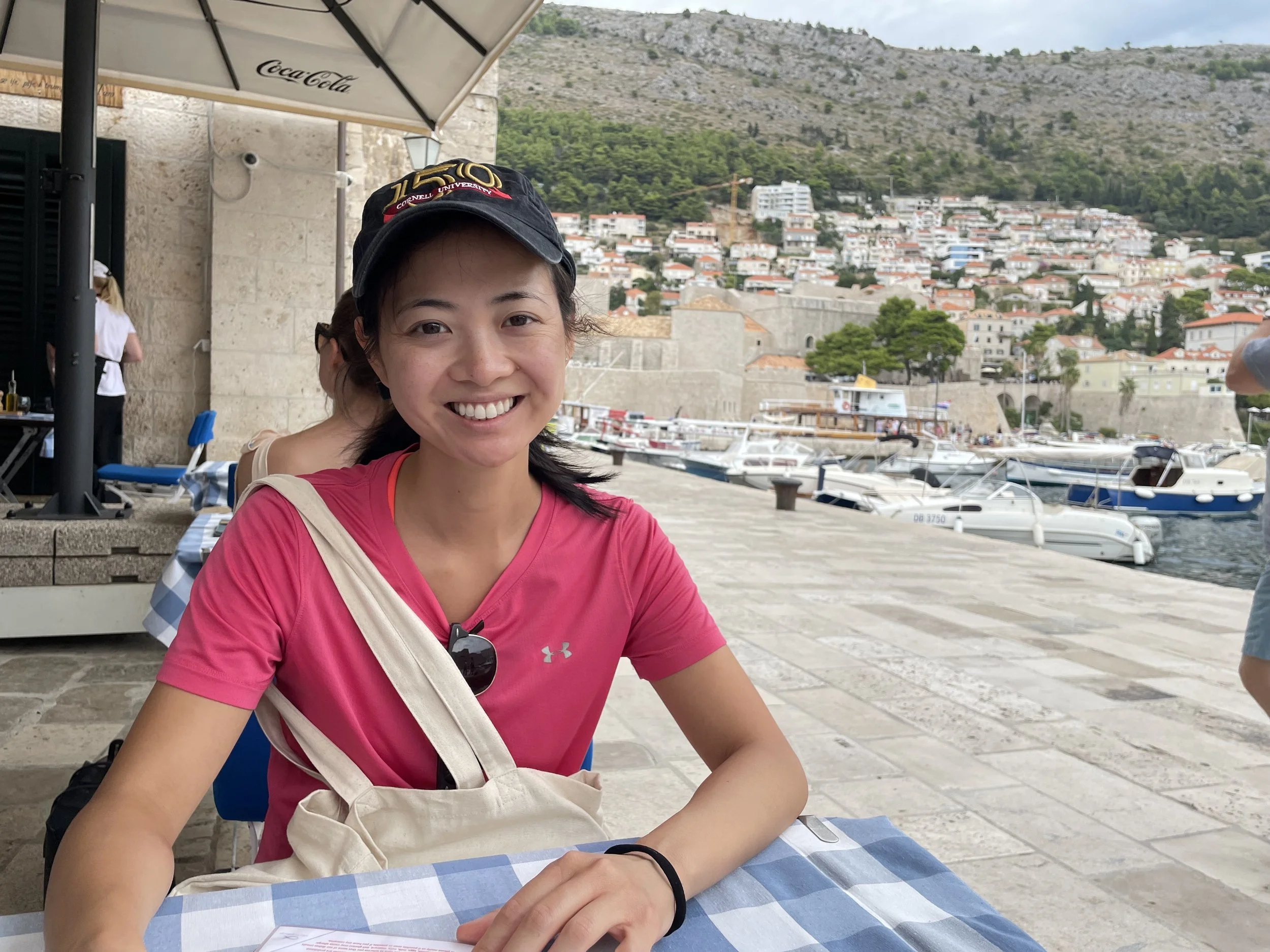
TreasurerKaren Li
Karen Li is a Research Coordinator with 32BJ SEIU, the largest property services union in the country. She develops and executes campaigns to win for the unions nearly 150,000 members, raising wages and standards for thousands of janitors and security officers across the East Coast.
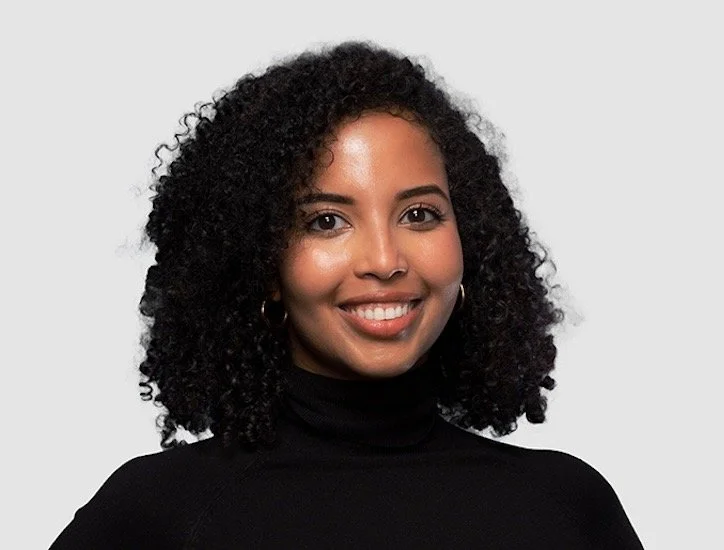
SecretaryRhoda Hassan
Rhoda Hassan serves as Counsel at Toast, Inc., where she advises on product development, commercial strategy and regulatory compliance. In prior roles at Davis Polk & Wardwell and Patterson Bellnap, and Industrious, Rhoda has advised businesses at all stages of development from startups to Fortune 500 companies.
Council of Academic Advisors
-
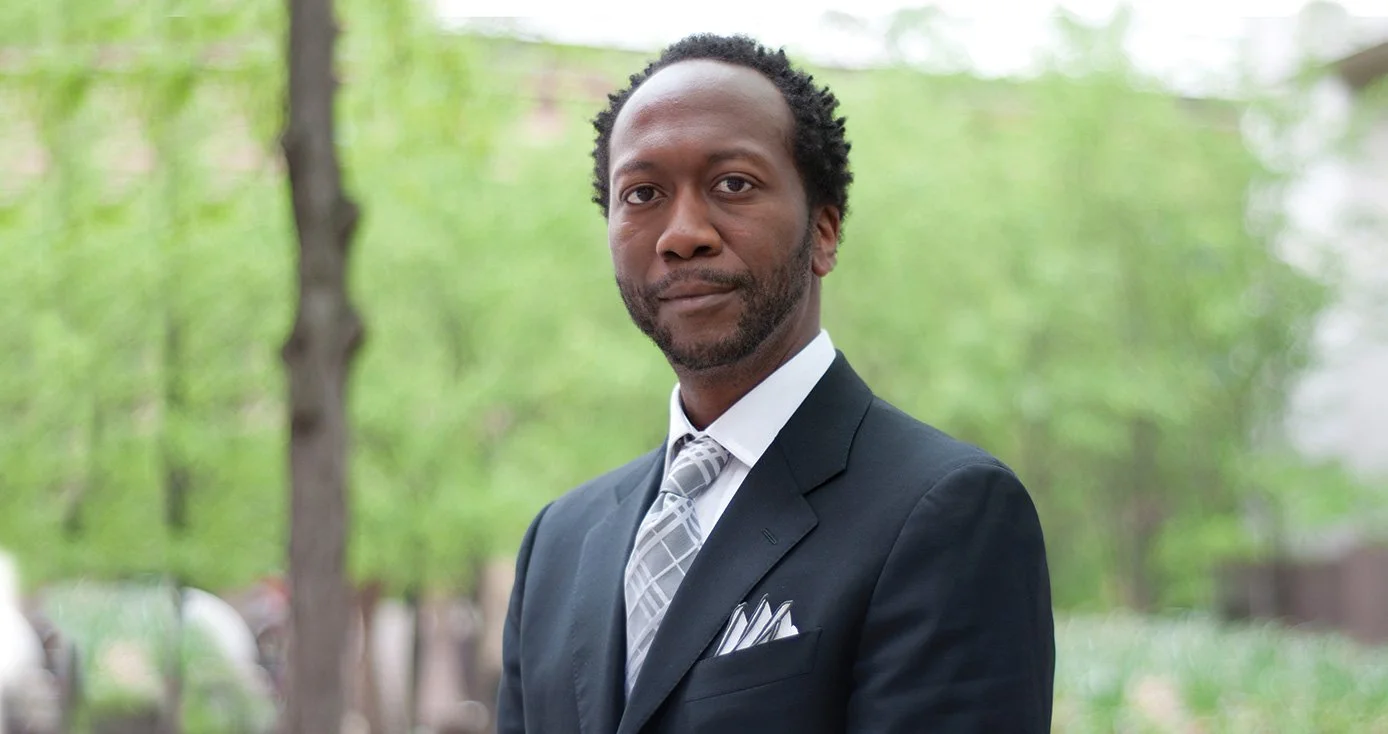
William M. Carter Jr.
University of Pittsburg School of Law
William M. Carter, Jr. is the Judge J. Quint Salmon and Anne Salmon Chaired Professor of Law at the University of Pittsburgh School of Law. He specializes in constitutional law, civil rights, race and the law, and civil litigation. An award-winning teacher, he has been selected as Professor of the Year by vote of the student body on four separate occasions.
Carter is widely considered to be one of the leading experts on the Thirteenth Amendment and racial discrimination.
-
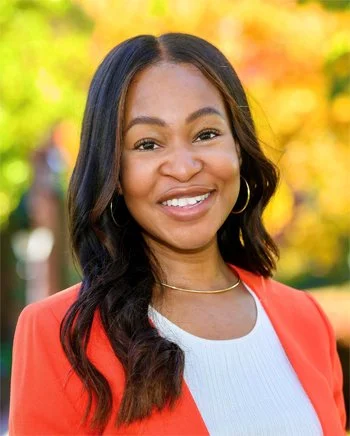
Maureen Edobor
Washington and Lee University School of Law
Maureen A. Edobor teaches and writes in constitutional law, election law, and democratic theory, and serves as a Theodore DeLaney Center Fellow focusing on Southern race relations, politics, and culture. Professor Edobor's scholarship explores how constitutional law, through interpretive frameworks and standards of review, constructs the meaning of democracy.
Her work weaves together doctrine and narrative to examine how law structures the boundaries of belonging in American democracy.
-
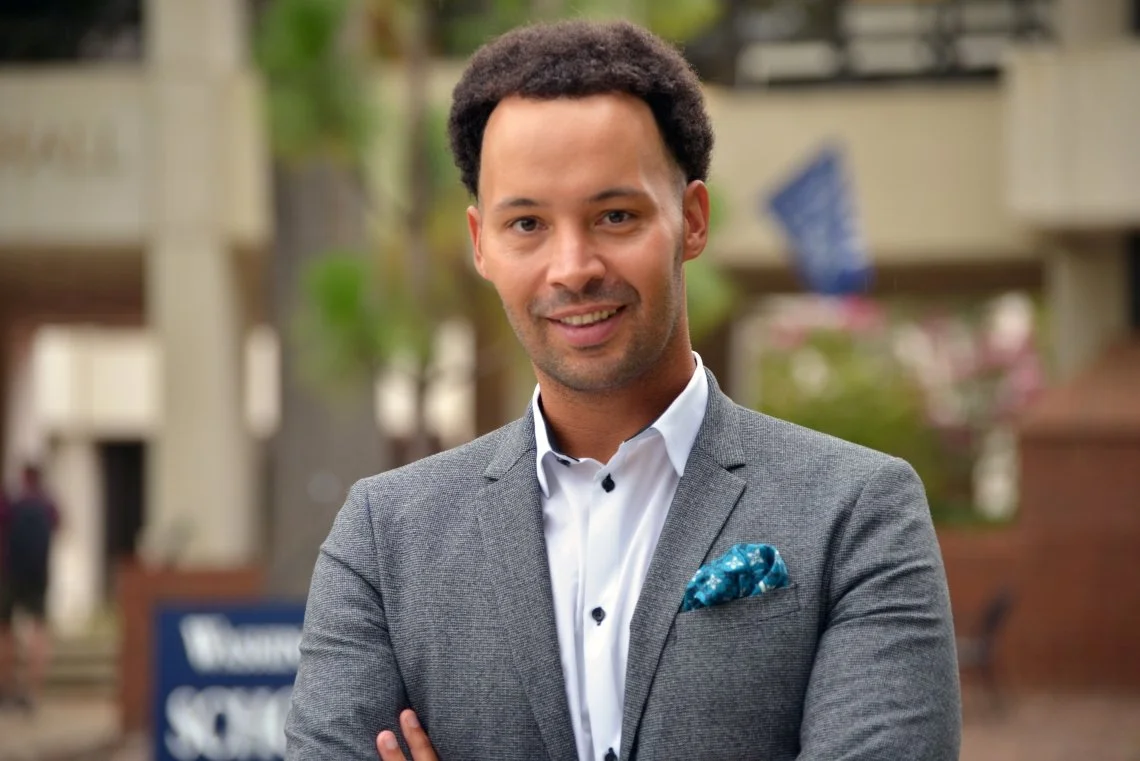
Brandon Hasbrouck
Washington and Lee University School of Law
Professor Brandon Hasbrouck is an award-winning and acclaimed scholar and teacher that writes in the areas of criminal law and procedure, constitutional law and theory, movement law, and abolition. Professor Hasbrouck's research explores the legal and constitutional principles available to Congress and the courts to redress the ways law fails Black and other marginalized people and the structural possibilities for radical change in American society.
-
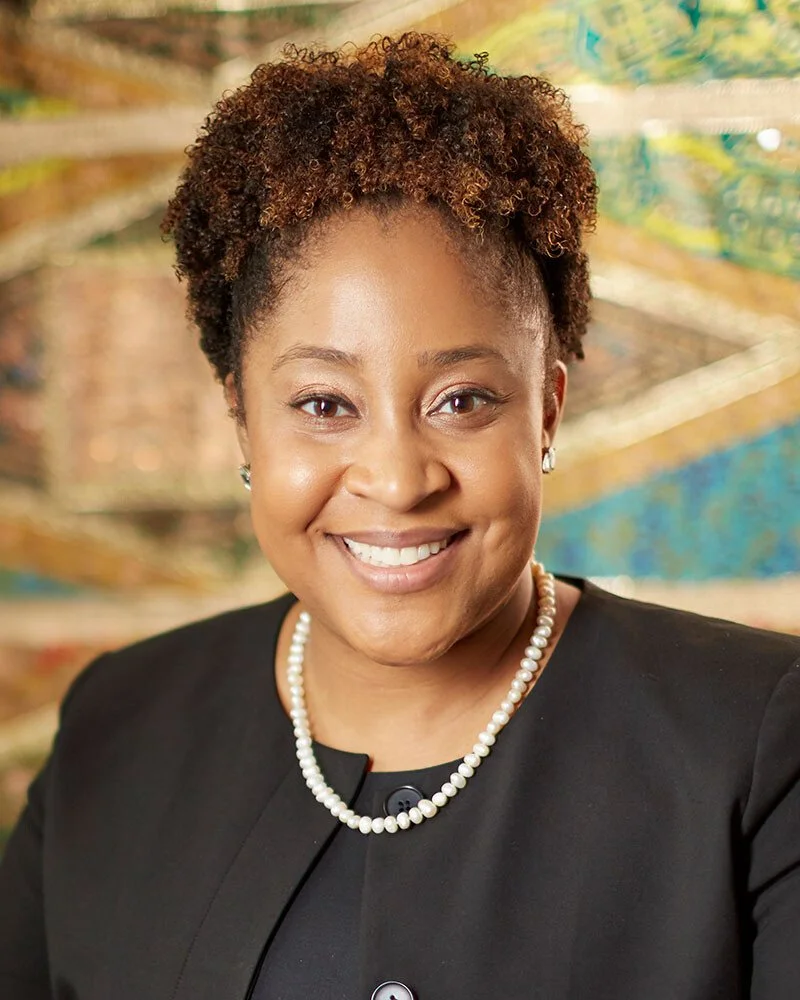
Karla McKanders
NAACP LDF Thurgood Marshall Institute
Karla McKanders is an expert on immigration, race and the administrative state. Her research, scholarship and advocacy has taken her throughout the U.S. and abroad teaching and researching the efficacy of immigration policies, laws and legal institutions charged with processing migrants.
Throughout her scholarship, McKanders has focused on the normative theme of how the law reifies race by legislating cultural norms that perpetuate racial divisions and hierarchies in the United States.
-
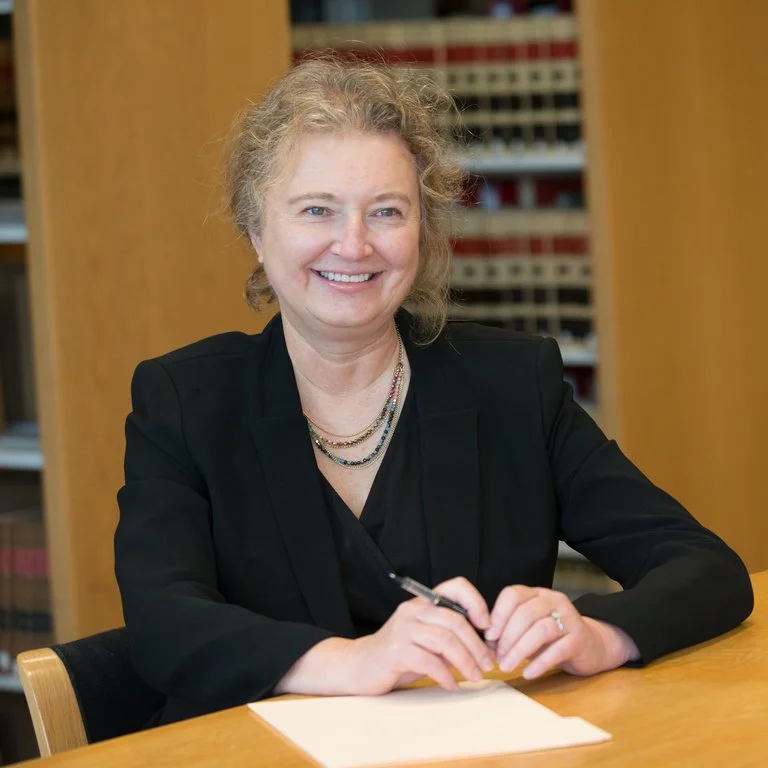
Lea VanderVelde
University of Iowa College of Law
Professor VanderVelde’s researches how our current American law of civil rights and civil liberties were formed during the 19th century. Many of her articles bring new light to how the Thirteenth Amendment could be interpreted in the modern day.
She wrote the groundbreaking biography, Mrs. Dred Scott: A Life on Slavery’s Frontier, which is one of the first published biographies of an illiterate person, someone whose life changed the path of constitutional development