
About US
Douglass Collective is a community of lawyers and activists working to Reclaim the Abolition constitution
We believe that the 13th, 14th and 15th Amendments set a powerful blueprint for a world where we are all more free.
By raising awareness of the Constitution’s abolitionist roots, and building community and power around that vision, we are charting a freer and more equal future.
Our Constitution Stands for
Bodily Autonomy
A world where all people can make free, informed choices about their bodies, lives and futures.
Economic Justice
A world where all people have fair access to resources and receive fair value for their labor.
RACIAL REPAIR
A world healed from the legacies of slavery and colonialism.
INCLUSIVE DEMOCRACY
A world where all people have a meaningful say in charting our shared future.
Our Goals
-
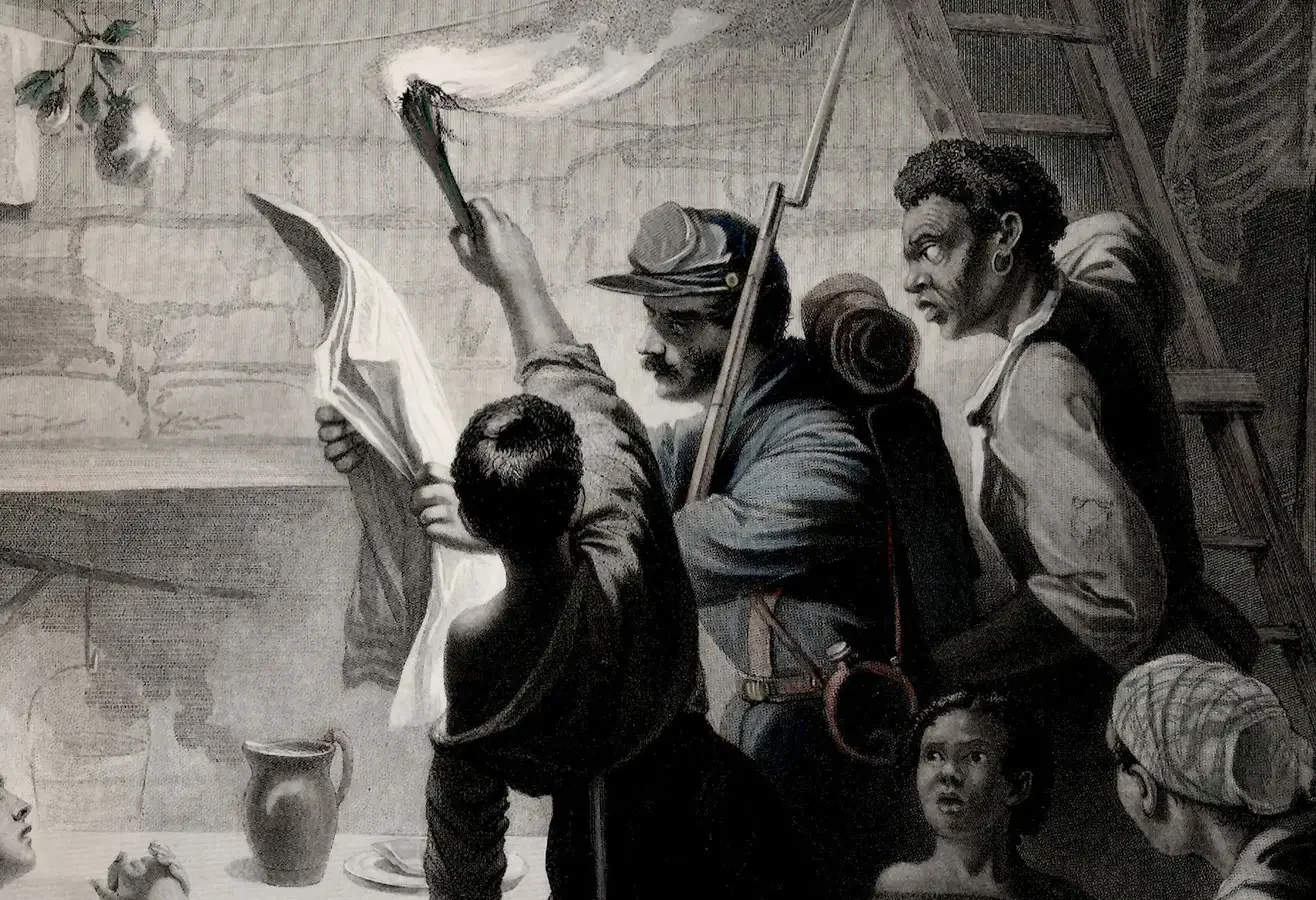
Build Knowledge
Dominant narratives of the law center the perspectives of wealthy white men.
Douglass Collective disrupts these narratives by shining a spotlight on the Constitution’s radical, abolitionist roots and its unfinished promise as a tool against oppression.
-
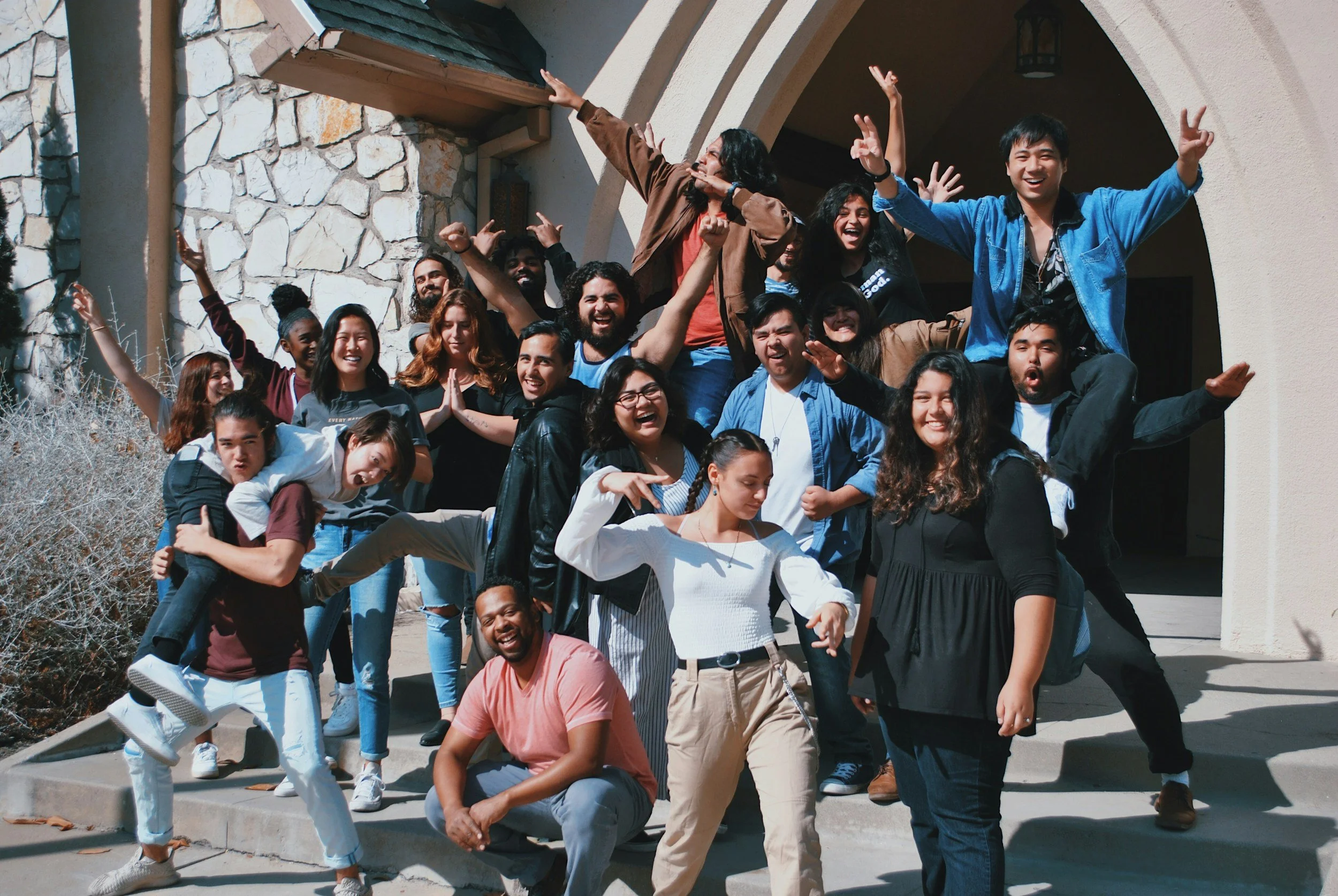
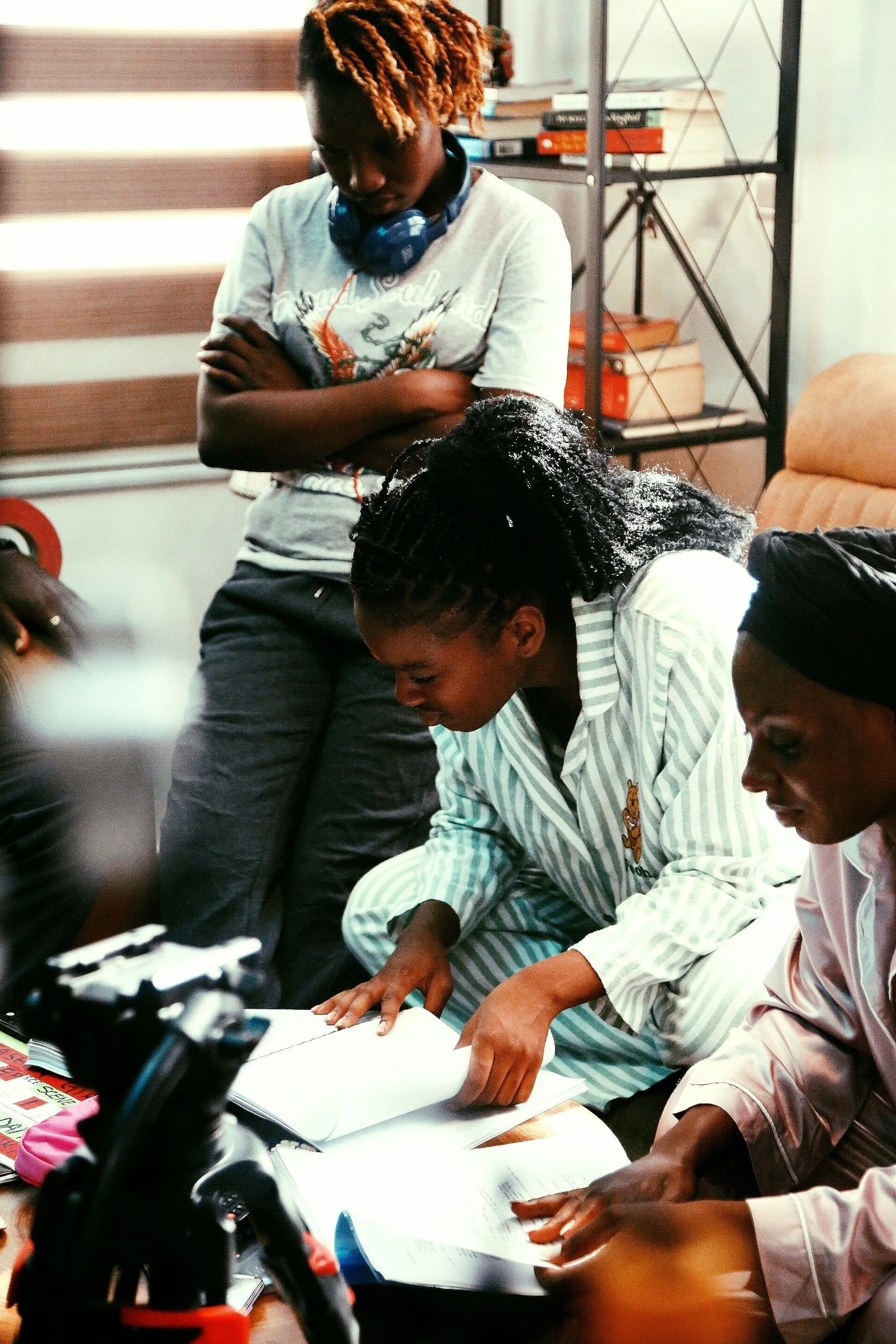
Build Community
Isolation, siloing and lack of shared vision prevent our movements from reaching their full potential.
Douglass Collective helps lawyers & activists form enduring relationships grounded in shared values of justice and liberation.
-
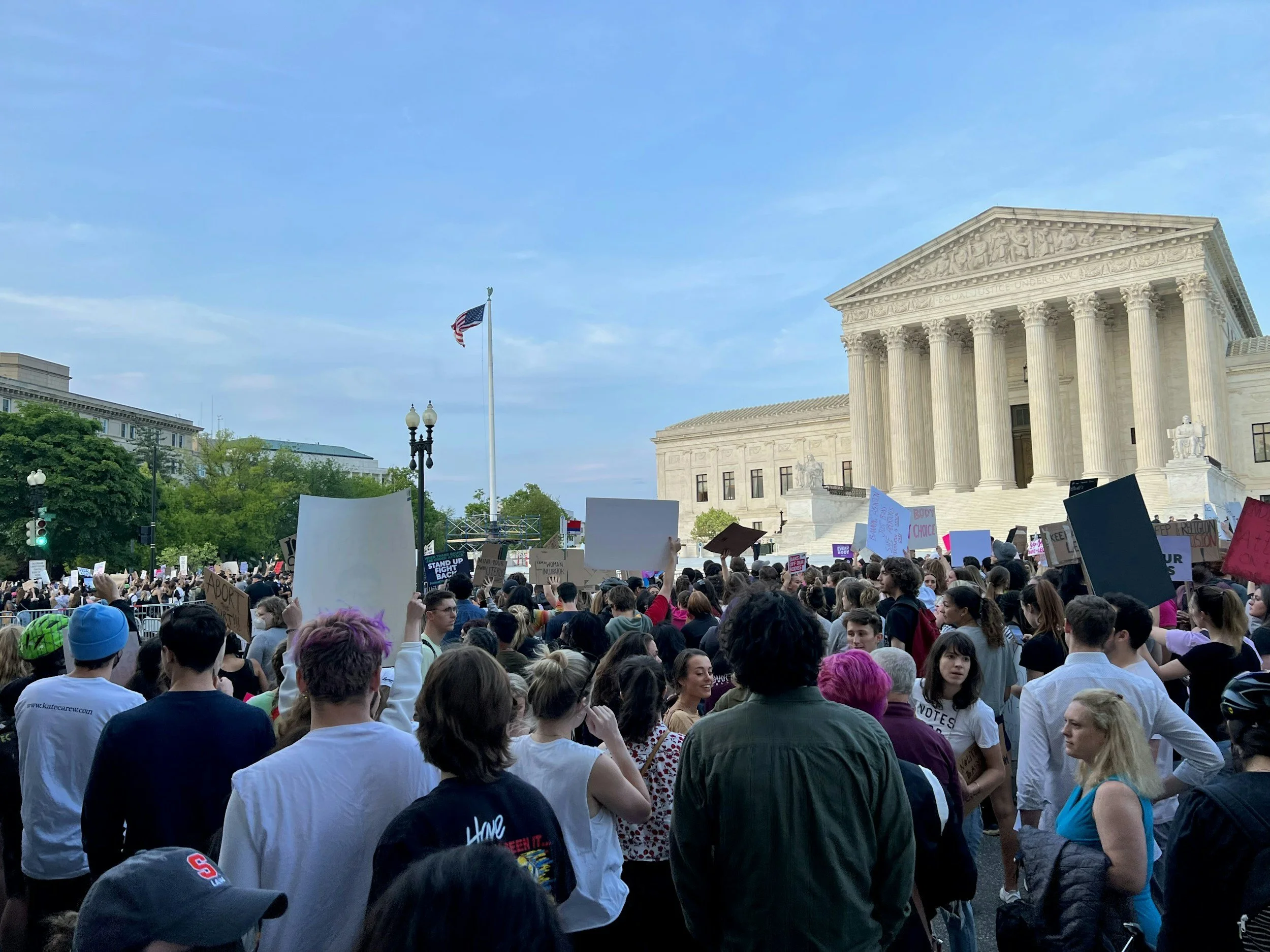
Build Power
Our laws and courts should serve the people—not just the privileged and wealthy.
Douglass Collective mobilizes lawyers and activists to put their values into action, resisting oppression and building more just legal systems.
Founder
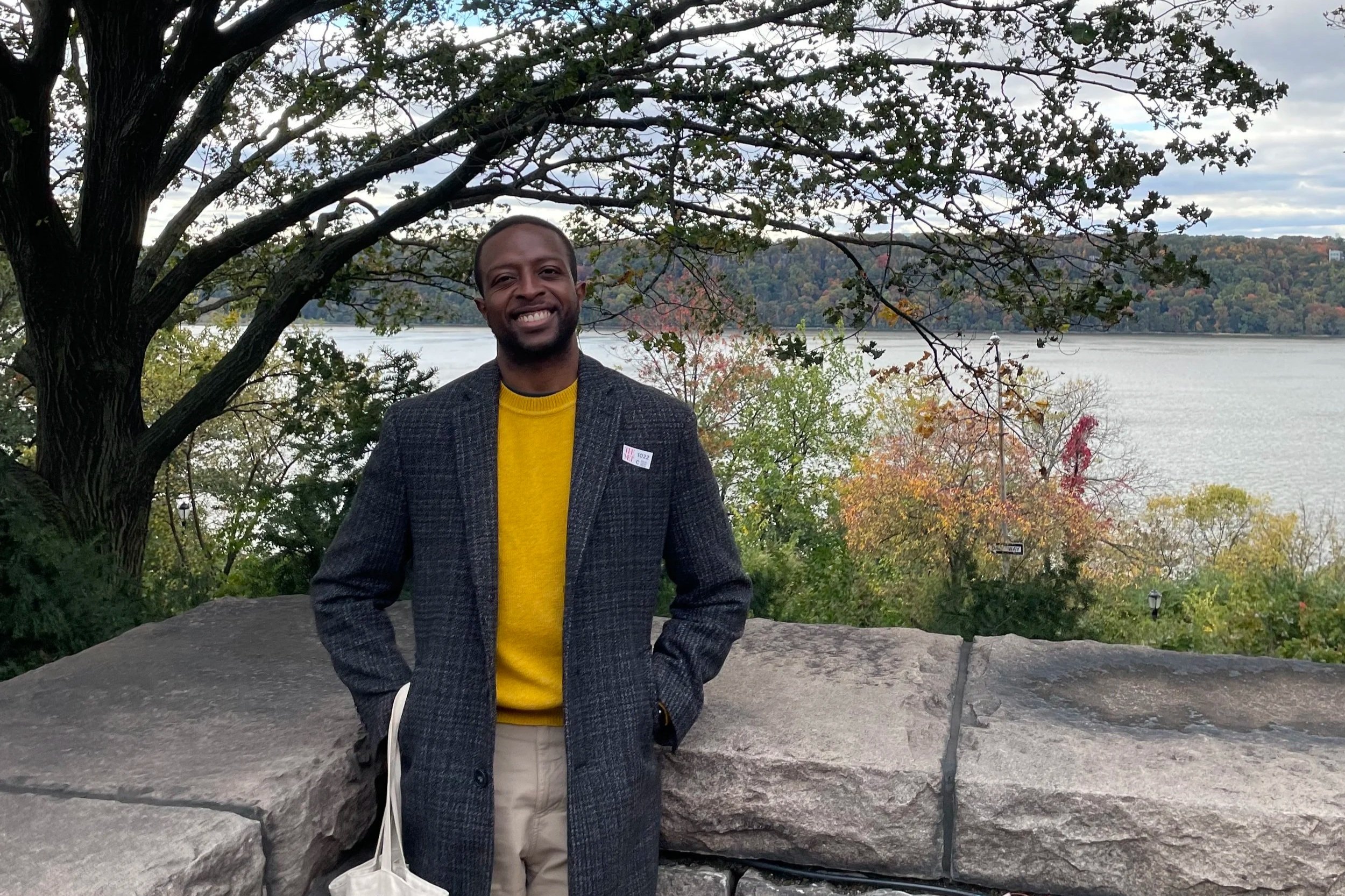
Taonga Leslie is the Founder of Douglass Collective. He has previously served as Director of Policy and Program for Racial Justice at the American Constitution Society, a Senior Consultant at Public Equity Group and an Associate at Gibson Dunn & Crutcher. Taonga holds a JD from Yale Law School and a BA in Sociology from Harvard University.
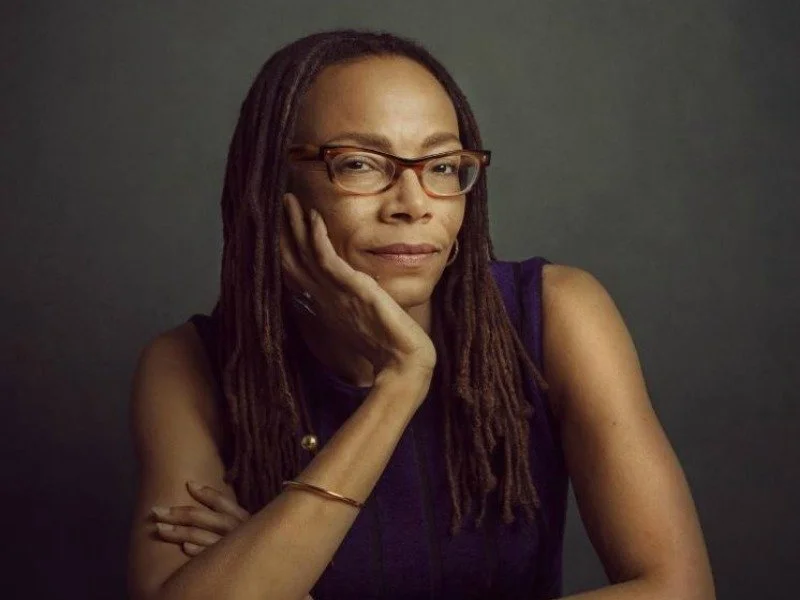
Dorothy E. Roberts, Professor of Law and Sociology, U. Pennsylvania Law School
“ A new abolition constitutionalism could seek to abolish historical forms of oppression beyond slavery, including settler colonialism, patriarchy, heteronormativity, ableism, and capitalism. . .
It could extend beyond the United States’ borders to challenge U.S. deportation policies and U.S. imperialism and to connect to freedom struggles around the world. . .
Its objective could extend beyond abolishing particular systems to establishing freedom for all.”
— Dorothy E. Roberts, Abolition Constitutionalism, Harvard Law Review, 2019
FAQs
-
Reconstruction was the period following the Civil War in which the federal government reckoned with the aftermath of slavery and worked to reintegrate the former confederate states into the Union. During this period from 1865 to 1877, abolitionists, formerly enslaved people, women, and immigrants grappled with what it would mean for the United States to becomes a truly free and equal society.
-
During Reconstruction, Congress passed the 13th, 14th and 15th Amendments, which abolished slavery, established birthright citizenship, and guaranteed due process, equal protection under the law, and equal voting rights without regard to color.
For the first time, the federal courts began to enforce the Bill of Rights against state and local governments. Across the country, state constitutions were rewritten to recognize new rights like the right to public education.
Because of these sweeping transformations, some scholars refer to Reconstruction as the nation’s Second Founding.
-
As we continue the struggle for justice and equality for all people, Reconstruction remains a powerful resource and source of inspiration.
The Civil Rights Movement built on the 14th and 15th Amendments to pass the Civil Rights Act and the Voting Rights Act in the 1960s. The women’s suffrage movement was directly inspired by the struggle for abolition (and many veterans of the abolition movement participated in that struggle). And birthright citizenship made it possible for the U.S. to become a diverse nation of immigrants.
Reconstruction’s legacy continues to echo in many of today’s most important legal debates, from immigrants rights, and criminal legal reform, to reproductive justice.
-
History cannot give us all the answers about how we approach modern problems. But it can be a powerful source of wisdom, inspiration and grounding. The history of Reconstruction teaches us that, despite the heavy odds against them, our ancestors have overcome oppression, spoken truth to power, and won real change.
In recent years, the Supreme Court has ignored the lessons of Reconstruction, resulting in rulings limiting the rights of minorities, women and working people. Major examples include rulings ending the right to an abortion, outlawing affirmative action, and gutting the Voting Rights Act.
By correcting the record, we can reclaim the Constitution and defend our rights.
-
Douglass Collective is building a people-powered movement. You can help by signing up for our email list, donating to support our work, and helping us spread the word to colleagues, friends and family.