
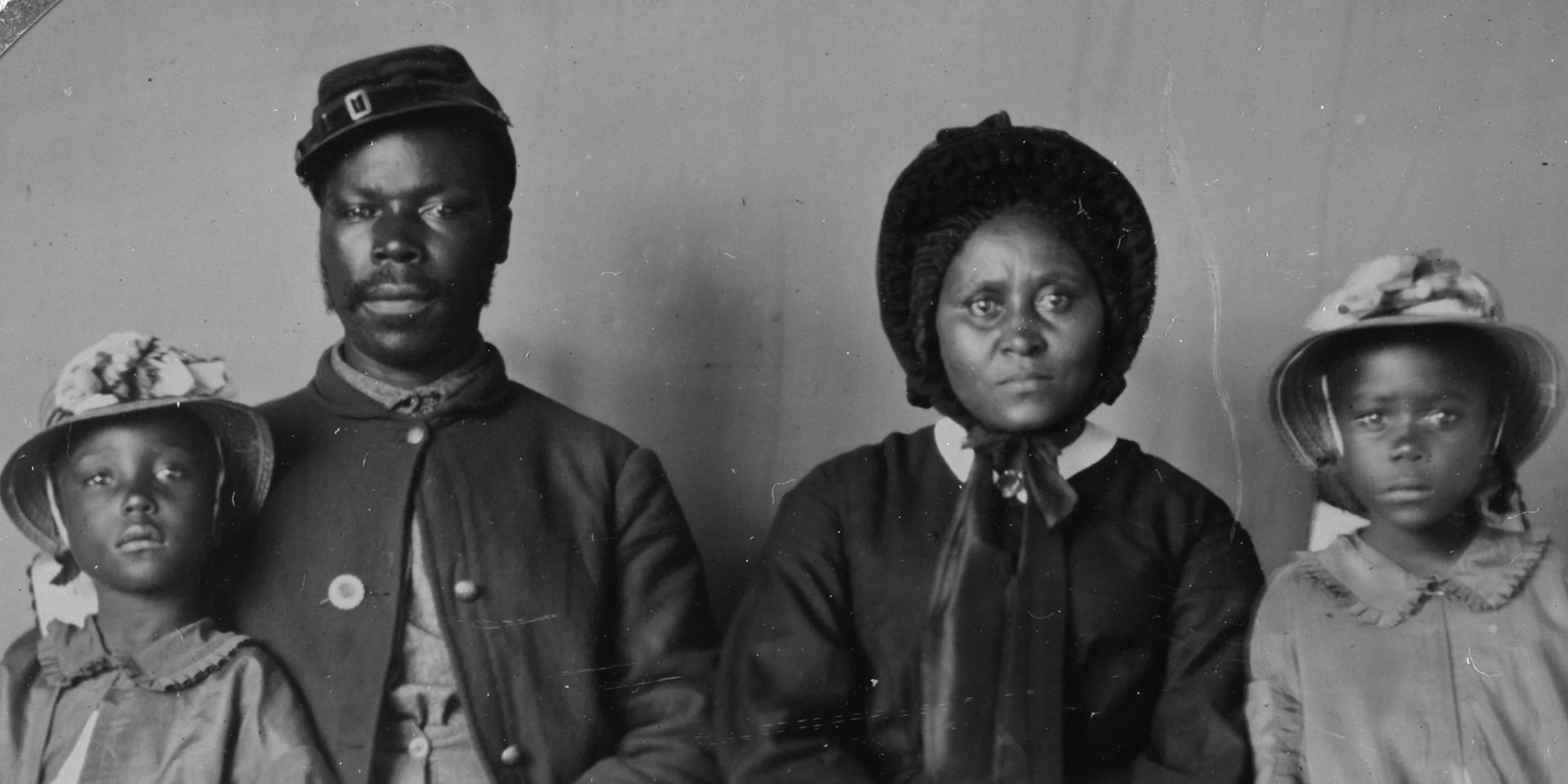
reconstructed
A podcast lifting up the many hands that made our Constitution
You might think you know who wrote the Constitution. Maybe (rich, white, male) politicians like George Washington and James Madison spring to mind. But that's only half the story.
It misses the Black men and women and white abolitionists who rewrote the Constitution after the Civil War. And it leaves out the immigrants, workers, women, and queer folks who made the reconstructed Constitution theirs.
Reconstructed paints a fuller picture of the many hands that made our Constitution, and explores what their legacies mean for us today.
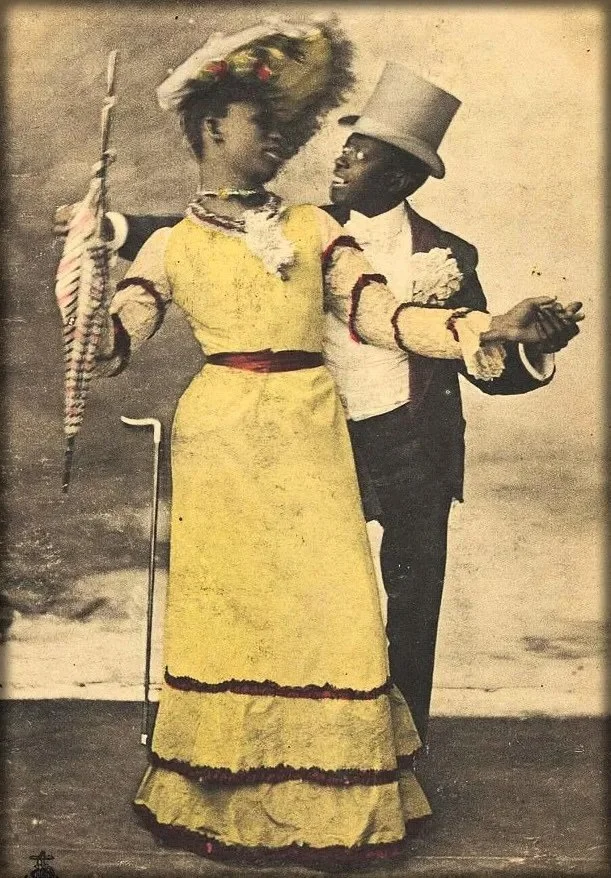
Episode 3: A History of Gender Transitions with Brianne Felsher
Long before today's debates over trans rights, Americans were legally changing their sex. As far back as the 1800s, courts and local governments occasionally recognized gender transitions—issuing new documents and revising the legal record.
From 19th-century courtrooms to modern ID laws, Brianne Felsher (they/them), a PhD Candidate in Jurisprudence and Social Policy at Berkeley Law, explains the surprisingly long history of legal sex changes, and what it reveals about the fight for gender freedom today.
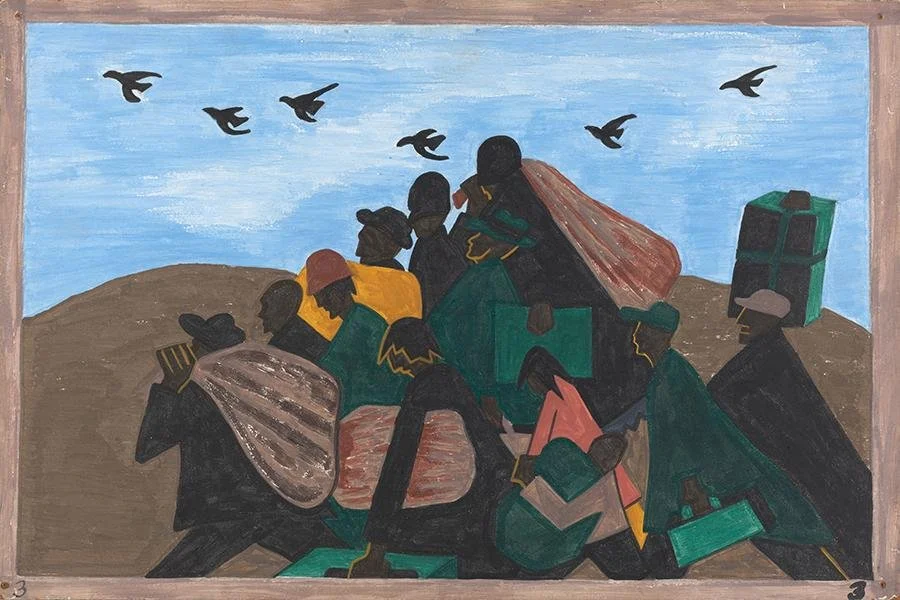
Episode 2: A Nation of immigrants with karla mckanders
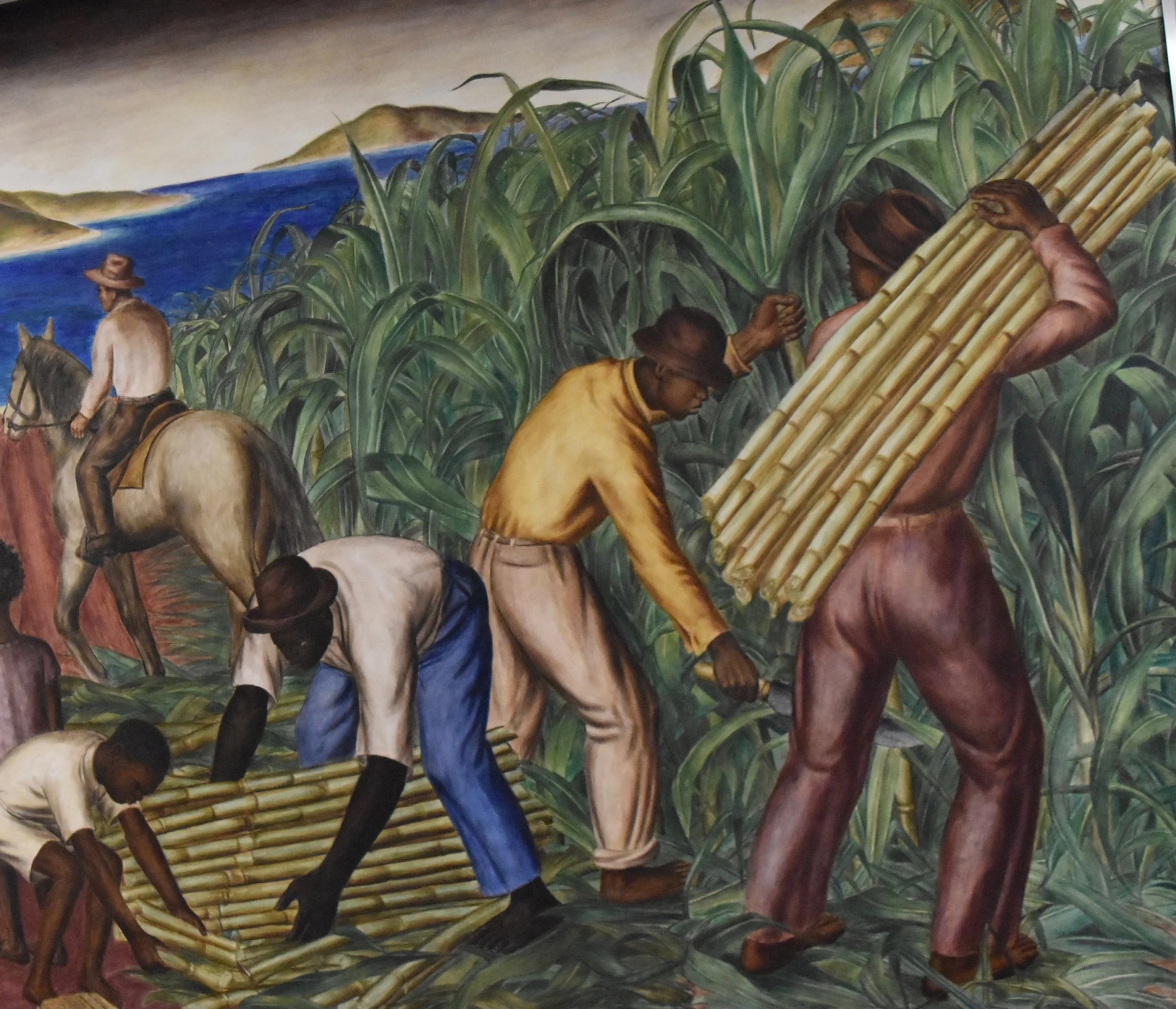
John F. Kennedy famously described the United States as “a nation of immigrants.” But the first immigration laws limited naturalization to “free white persons,” and racial quotas blocked people of color from immigrating well into the 20th century.
From ICE to birthright citizenship, Prof. Karla McKanders explains how the vestiges of racism continue to haunt our legal codes, and what it would take to make the immigration system truly free.
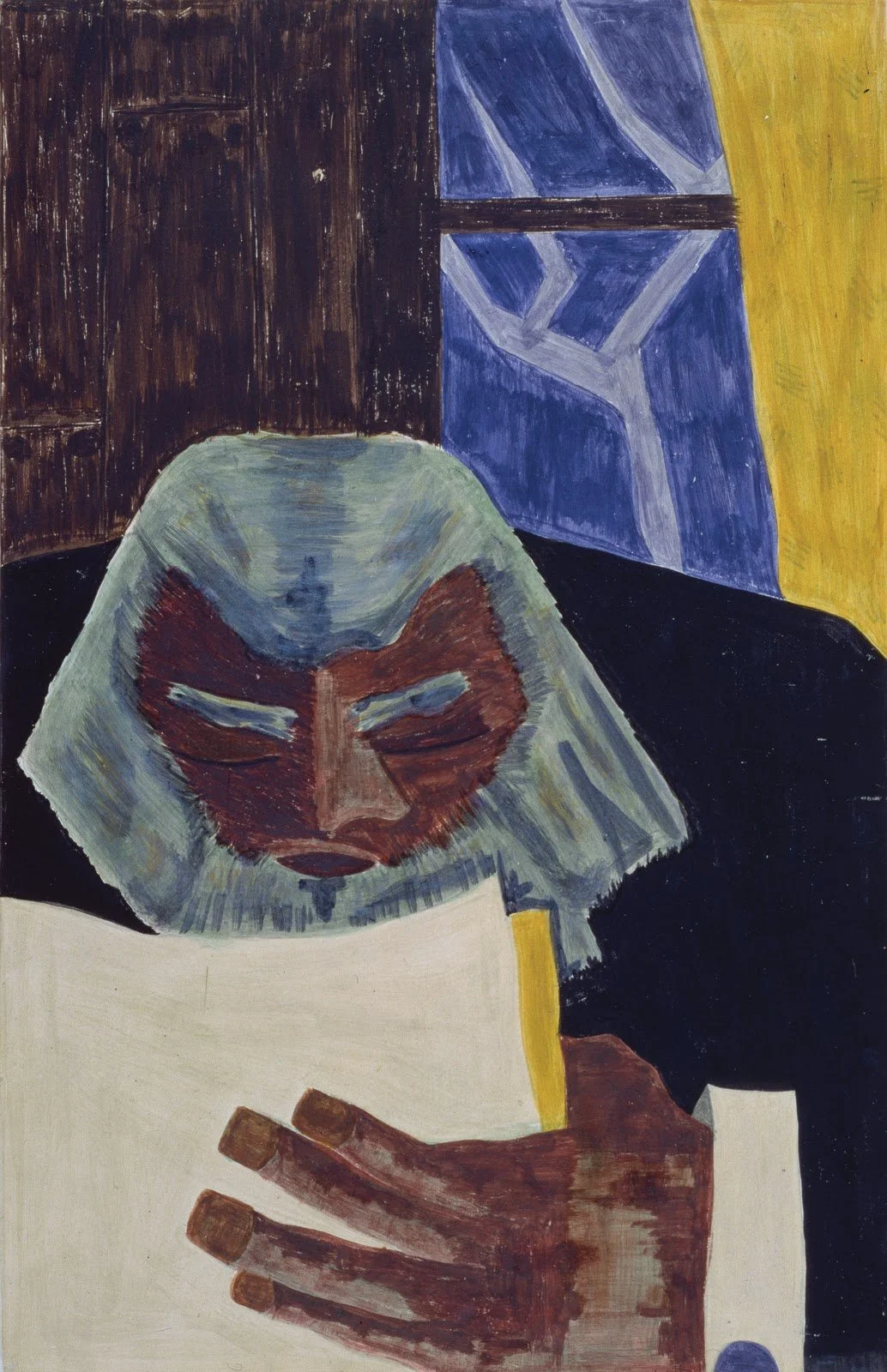
Episode 1: The Second Founding and the first amendment with william M. Carter, jr.
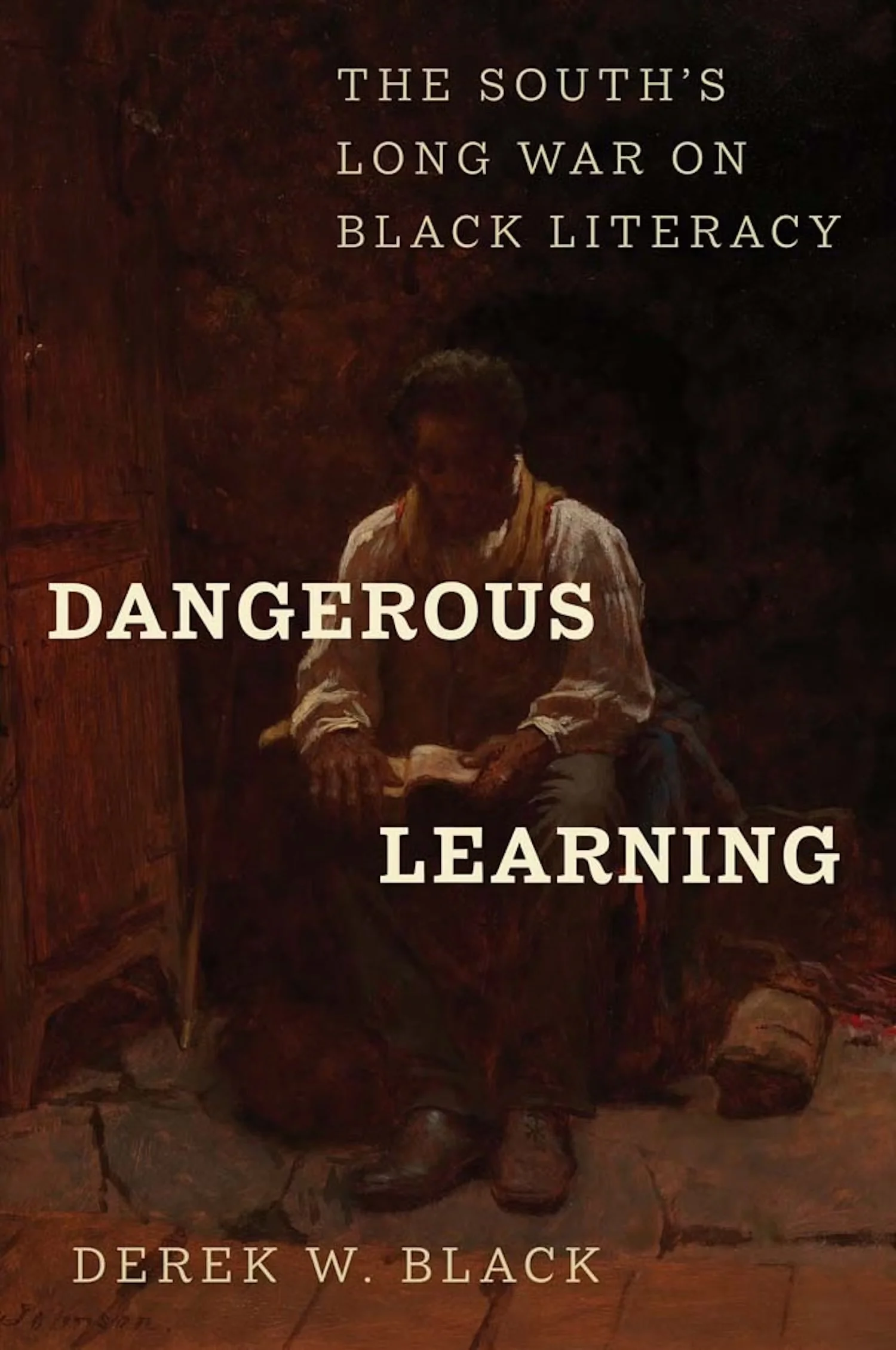
Freedom of speech is one of the most celebrated (and debated) aspects of the U.S. Constitution. But few Americans know how the Civil War reshaped the First Amendment into the right we know today.
Prof. William Carter Jr. explains how Reconstruction and the anti-slavery movement transformed the First Amendment and offers a bold vision of how free speech can serve modern battles for justice.