
Resources
Type of Media

Frederick Douglass Was My Founding Father
Progressives are generally familiar with Douglass’ history as a fierce critic of injustice, underlining the flagrant inconsistencies between America’s founding myths and its practices… Fewer are familiar with the positive vision of what America could be that he strived to promote throughout his life.

Responsive Constitutionalism and the Idea of Dignity
“The Reconstruction Amendments responded to slavery—not only in the sense that they were intended to address the harms done to enslaved people, but also (and, I think, more importantly) in the sense that they were intended to universalize human freedom and define human freedom in contrast to slavery.”

The Second Founding and the First Amendment
“This Article makes a novel contribution to the literature regarding the Second Founding by centering enslaved persons’ voices as constitutional actors whose views on freedom of speech matter.”
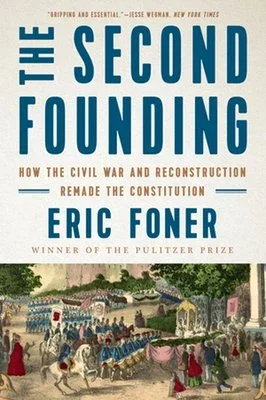
The Second Founding: How the Civil War and Reconstruction Remade the Constitution
“The 13th, 14th, and 15th amendments to the US Constitution wrote a new definition of American citizenship and the rights it entails. These changes were not minor tweaks in an existing structure but created a fundamentally new constitution.”

Abolition Constitutionalism
“[We should consider the abolitionist history of the Reconstruction Amendments as a usable past to help move toward a radical future.”
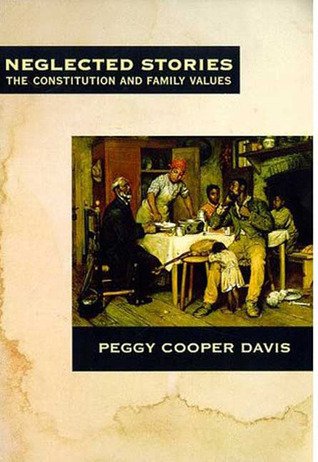
Neglected Stories: The Constitution and Family Values
In a powerful challenge to the belief that the Constitution has nothing to do with the individual freedoms that comprise family rights, Peggy Cooper Davis argues in Neglected Stories that the constitutional amendments after the Civil War reflect a profound appreciation of the political, social, and personal worth of family autonomy.

Immigration Enforcement and the Fugitive Slave Acts: Exploring Their Similarities
The similarities between current immigration policies and the Fugitive Slave Acts provide insight into current enforcement policies and how federal policies should not follow the same patterns that earlier failed to provide equal protection under the law.
In both instances, state and federal governments can enact oppressive laws that fail to recognize the humanity of the subjects of the laws.